
DUI Suspension Deadlines in Chicago: The Countdown After Arrest
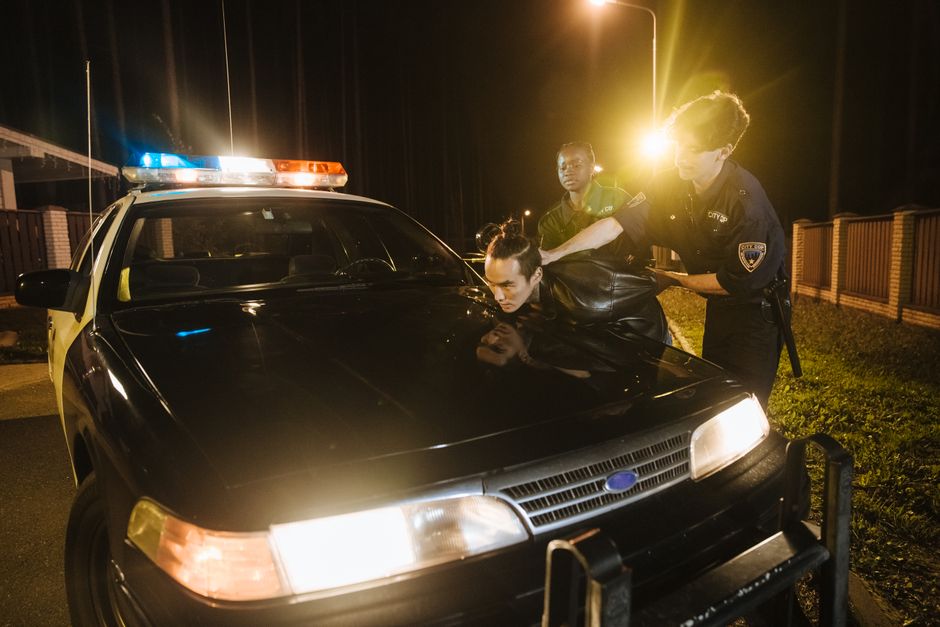
After a DUI arrest in Chicago the clock starts before the paperwork is even filed. Missed deadlines cost a driver a license, a job, and often the criminal case itself. Every DUI suspension deadline in Chicago is triggered by an event, usually the arrest or the mailing of a Confirmation of Statutory Summary Suspension, and the calendar runs whether the driver is paying attention or not. This is the countdown a Cook County driver actually faces, in order.
Day 0: Arrest and Notice Served
On the night of arrest, the officer takes the driver's plastic license and issues a paper receipt that doubles as a temporary driving permit. That paper is also the Notice of Statutory Summary Suspension under (625 ILCS 5/11-501.1). Every deadline in this article runs from that moment. The driver walks out of the Chicago police station or Cook County lockup with a document that says driving privileges end on a specific date. That date is day 46.
Day 1 to Day 10: The Bond Hearing Window
Within the first day or two comes the bond hearing. The judge sets conditions of release, sometimes including an ignition interlock as a bond condition on second offenses. This is not a suspension deadline in itself, but it sets up whether the driver can even drive during the 46-day grace period. If the court orders no driving pending trial, the notice-of-suspension calendar becomes academic.
Day 30: MDDP Application Opens
A first offender who wants a Monitoring Device Driving Permit can start the application process at day 30, aiming for permit activation on day 46 when the suspension begins. The BAIID installer needs to be scheduled. The insurer needs to file the SR-22. The state fee needs to clear. Waiting until day 45 to start guarantees a gap in driving privileges. Day 30 is when serious Chicago drivers move.
Day 31: JDP Effective Date (If Court Grants One)
The Judicial Driving Permit can take effect no earlier than the 31st day of the suspension. That is a hard statutory floor. Even if the court grants a JDP at week two, the driver still sits out the first 30 days of the suspension. Filing the JDP petition before day 46 is the goal so the JDP is signed and ready to activate the moment the driver becomes eligible.
Day 46: Statutory Summary Suspension Takes Effect
This is the deadline every Cook County DUI lawyer circles in red. At midnight on the 46th day after the notice was served, the driver's license is legally suspended, whether or not a Petition to Rescind has been decided. The Illinois Secretary of State does not need a court order. It happens by operation of law. Any driving after this point without a valid permit is a Class A misdemeanor for driving on a suspended license under (625 ILCS 5/6-303) with a mandatory minimum 10 days in jail on conviction.
Day 46 to Day 90: The Rescission Hearing Window
The Petition to Rescind must be filed within 90 days of the notice or the first court appearance, whichever comes later, and the hearing must occur within 30 days of the filing. That timing pressure is deliberate. It forces the state to produce evidence quickly. A savvy Chicago DUI lawyer files the petition immediately and pushes for a fast setting, sometimes catching the arresting officer unavailable and getting the suspension rescinded on failure of the state to proceed.
Day 60 to 120: First Criminal Case Status Dates
The criminal DUI case marches in parallel. Cook County typically sets a first status or arraignment 30 to 60 days out, with discovery and motion dates layered on top. The suspension calendar does not pause for the criminal case. Both timelines run at the same time. A driver who is only focused on the criminal case can lose the license without a fight.
Day 90: Petition to Rescind Filing Deadline
Miss the 90-day filing window for the Petition to Rescind and the summary suspension stands. There is no do-over. This deadline catches self-represented drivers who assume the criminal court will handle it. It will not. The petition is filed in the criminal court but is a separate civil proceeding.
Day 180 (Approximate): First-Offense Failed Test Suspension Ends
A first-offense driver who failed the chemical test hits the end of the 6-month suspension around this date. Reinstatement is not automatic. A $250 reinstatement fee must be paid and any outstanding conditions cleared before the license reactivates. Driving on the day after the suspension expires without paying the fee is still driving on a suspended license.
Day 365: First-Offense Refusal Suspension Ends
A first-offense refusal driver reaches the end of the 12-month suspension. Same reinstatement mechanics apply. And if the criminal case has resolved in a conviction by this date, the driver is now transitioning from suspension into a 1-year revocation. That is a separate reinstatement track requiring a formal Secretary of State hearing, alcohol evaluation, and SR-22.
The Deadlines a Chicago Driver Cannot Miss
- Day 46: Suspension activates. No more driving without a permit.
- Day 30: Start the MDDP application to hit day 46 with a permit in hand.
- Day 90: Petition to Rescind must be filed. No extensions.
- Within 30 days of filing: Rescission hearing must occur.
- Day 31 of suspension: Earliest a JDP can be effective.
- Every court date: Missing one converts the case into a warrant, which itself triggers additional license actions.
Deadlines That Attach to a CDL Holder
A commercial driver has an extra layer under (49 CFR 383.51). A first DUI in any vehicle triggers a 1-year CDL disqualification. The 46-day clock still applies for the base license, but the CDL disqualification hits regardless of a rescission and is not eligible for hardship permits. The deadlines for a CDL holder to notify an employer under (625 ILCS 5/6-207.1) also start on arrest, not conviction.
Why Every Deadline Compounds
Missing the day-46 permit prep means no driving for months. Missing the day-90 petition means the suspension cannot be attacked at all. Missing a criminal court date can add a bond forfeiture and a separate license action. The deadlines interlock. A Chicago driver who wants a shot at keeping any driving privileges has to attack all three tracks: administrative, judicial, and criminal, at the same time. For a full picture of how the Statutory Summary Suspension fits into the larger Illinois system, see the complete Statutory Summary Suspension defense guide.
Related Pages
- Illinois DUI License Suspension
- DUI Defense
- Secretary of State Information
- Notify Secretary of State
- Court Supervision
- Cook County DUI Court Process