
Cook County DUI Arraignment: What Actually Happens That Morning
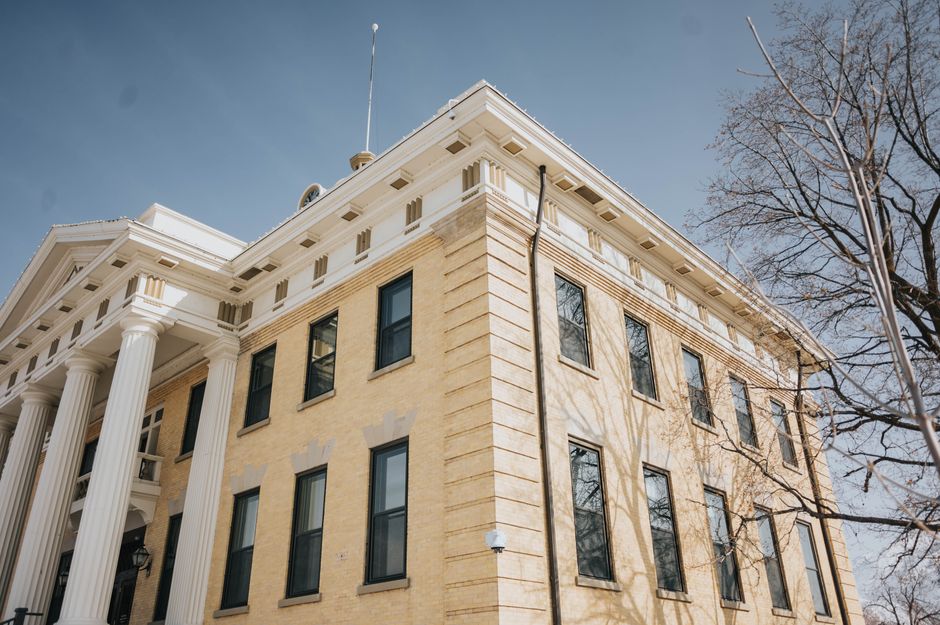
A Cook County DUI arraignment is short, procedural, and easy to misread as unimportant. The whole event usually runs under three minutes at the podium. This post breaks down exactly what happens in that three minutes, from the moment the driver walks through security to the moment the judge sets the next court date, so a defendant knows what the room looks like, who is speaking, and what a "not guilty" plea actually preserves. For the broader case timeline that follows arraignment, see the full Chicago DUI court process guide.
The Morning of Arraignment: Arrival and Security
Defendants should arrive at the assigned courthouse 45 minutes before the call time printed on the bond slip or citation. The six Cook County district courthouses that hear DUI arraignments are the Richard J. Daley Center at 26th and California for First Municipal District cases, the Skokie Courthouse for the Second, Rolling Meadows for the Third, Maywood for the Fourth, Bridgeview for the Fifth, and Markham for the Sixth. Security screening moves slowly on high-volume days. Missing the call by even a few minutes can drop a case to the bottom of the docket or, worse, trigger a bench warrant.
The clerk in the assigned courtroom does not check defendants in verbally in most courtrooms. The bailiff calls cases from the docket sheet in the order the clerk has arranged them. A defendant should sit in the gallery and listen for their name.
Who Is Actually in the Courtroom
Five roles are present at every Cook County DUI arraignment. The judge presides from the bench. An Assistant State's Attorney sits at the prosecution table and speaks for the People. The clerk of the court manages the paper file and the docket. A deputy sheriff acts as bailiff and calls cases. Defense counsel, retained or public defender, sits with the defendant when the case is called.
Beyond those five, the gallery holds every other defendant whose case is on the morning call. DUI arraignment calls at busy courtrooms routinely run 40 to 80 cases across a two-hour session. The room is quiet by rule. Talking, phone use, and food are not permitted. Defendants who violate courtroom decorum can be ejected before their case is called.
What the Judge Says When the Case Is Called
When the bailiff calls the case, the defendant and counsel walk to the podium in front of the bench. The judge reads or references the charges. For a standard misdemeanor DUI those charges are one count of driving under the influence under (625 ILCS 5/11-501) and typically one or more companion tickets such as improper lane usage or speeding.
The judge then confirms three things on the record. First, that the defendant has received a copy of the complaint. Second, that the defendant understands the charges. Third, that the defendant has counsel or has been advised of the right to counsel. If the defendant appears without a lawyer and cannot afford one, the judge refers them to the Cook County Public Defender at that moment.
The Plea
The judge asks how the defendant pleads. Defense counsel answers, not the defendant. The standard answer at a Cook County DUI arraignment is "not guilty, jury demand" or "not guilty, bench demand," depending on strategy. Entering not guilty is not a claim of innocence. It is a procedural placeholder that preserves every defense option that would otherwise be waived by a guilty or no contest plea.
A not guilty plea triggers three automatic consequences. The case is set for a pretrial status date roughly 30 to 45 days out. The state is placed under discovery obligations to turn over reports, video, and testing records. The speedy trial clock under (725 ILCS 5/Art. 114) becomes calculable, though it does not start running until the defense files a written trial demand.
What the Judge Sets Before Releasing the Defendant
Before the case leaves the podium, the judge locks in three items. The next court date and courtroom. Any modifications to pretrial release conditions from the Pretrial Fairness Act order. And, if the defense has filed a Petition to Rescind Statutory Summary Suspension under (625 ILCS 5/11-501.1), the hearing date on that petition. Some judges will set the SSS hearing the same day even without a filed petition, giving the defense a window to file before the hearing.
The defendant signs the next court date sheet handed over by the clerk. This is not optional. Losing that sheet does not excuse missing the next appearance.
How Long the Whole Thing Takes
From the moment the bailiff calls the case to the moment the defendant walks away from the podium, a standard DUI arraignment runs two to four minutes. The wait to get called, however, runs one to three hours depending on where the case falls in the morning docket. Defendants should plan for a half-day at the courthouse even though the courtroom appearance itself is brief.
What Happens After the Defendant Walks Out
Three things start immediately. Defense counsel files a written discovery demand if it has not already been served. If the arraignment date is inside the 90-day window from arrest, defense counsel files the Petition to Rescind Statutory Summary Suspension before the deadline. And the defendant schedules the required Cook County DUI evaluation with the Social Service Department at [email protected] or (312) 948-6001, because the evaluation drives every sentencing recommendation and takes weeks to complete.
The arraignment sets the tempo for the rest of the case. A defendant who arrives on time, pleads not guilty through counsel, and walks out with the next court date and the SSS hearing on the calendar has preserved every option that matters. A defendant who no-shows, pleads guilty at the podium without counsel, or misses the SSS filing deadline has closed doors that cannot be reopened.
Related Pages
- Cook County DUI Court Process
- DUI Defense
- DUI Penalties
- Illinois DUI License Suspension
- Rolling Meadows DUI Attorney
- Arlington Heights DUI Attorney