
Avoid DUI Conviction First Offense Illinois: Three Paths That Work
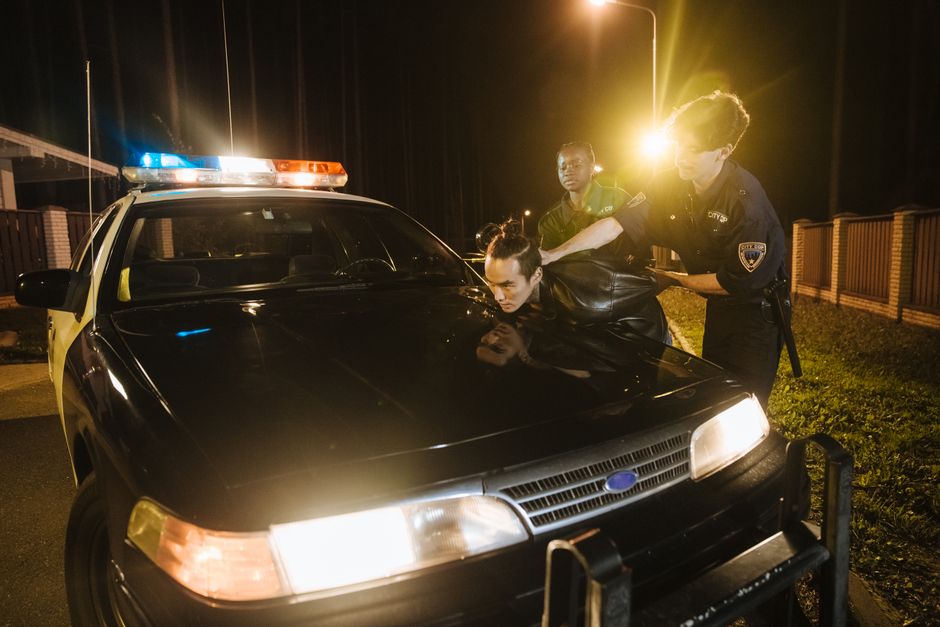
An Illinois first-offense DUI conviction is not a foregone conclusion at the moment of arrest. It is the end state of a specific procedural path that the driver, working through a Chicago DUI lawyer, has three legitimate ways to leave. Fight and win at trial. Negotiate the charge down to reckless driving. Take the court supervision offer and complete it clean. This post walks through those three paths as a narrative, not a bullet list, because each one plays out on a real timeline with real trade-offs, and choosing between them depends on the facts of the case.
The Setup: What Conviction Actually Means
Conviction on a first DUI under 625 ILCS 5/11-501 is a Class A misdemeanor. It carries a 12-month revocation of full driving privileges, a permanent criminal record with no expungement pathway, and a 3-year SR-22 insurance filing that typically doubles the annual premium. Avoiding that outcome is not about beating a rap. It is about protecting employment, insurability, and the ability to renew a professional license. That is the ground the three paths compete on.
Path One: Fight and Win at Trial
Consider a driver stopped on I-94 near the Skokie exit at 2 in the morning. The stated reason for the stop was "weaving within lane," but the dashcam only shows one lane touch across three miles. The driver blew .09. The breath machine had a calibration check log with a two-week gap during the month of the arrest.
That is a fight-and-win case. A Chicago DUI lawyer files a motion to suppress based on the traffic stop, subpoenas the calibration records, and cross-examines the officer on the specific weave observations. If the judge finds the stop unlawful, everything downstream (the field sobriety tests, the breath result, the officer's opinion of impairment) is suppressed. The state's case collapses. The charge is dismissed.
Trial-win outcomes are the cleanest result possible. No conviction, no supervision, no probation, no record. But they are only viable when the facts genuinely support a suppression argument or a reasonable-doubt trial. The wrong case forced to trial ends in a conviction with maximum exposure because the prosecutor's plea offer is off the table. Path One is high-reward, high-risk, and the case selection matters more than the courtroom skill.
Path Two: Negotiate the Reduction to Reckless Driving
Consider a different driver. A .11 BAC, blew clean, no crash, no injuries, clean 10-year driving record, employed as a nurse whose license would be jeopardized by a DUI conviction. The stop was legitimate. The field sobriety tests were properly administered. There is no obvious suppression angle.
That is a reckless driving reduction case. A Chicago DUI lawyer approaches the assigned prosecutor with a mitigation package: the clean abstract, verification of employment, an alcohol evaluation already completed, and a DUI Risk Education class already started. The pitch is that a DUI conviction would end the driver's nursing career, that a reckless driving plea under 625 ILCS 5/11-503 accomplishes the same public safety goal without the collateral consequence, and that the state's interest in efficiency is well served by taking the plea.
Reckless driving is still a Class A misdemeanor. It is not a "get out of jail free" card. But it is not a DUI. It does not trigger the 12-month revocation. It does not require an SR-22 in most cases. It does not create a professional-licensing-board reporting obligation. And it can eventually be sealed, unlike a DUI conviction.
Path Two depends heavily on the individual prosecutor and the specific Cook County district. The Daley Center prosecutor pool sees these reductions weekly. Some of the outer districts are stingier. A Chicago DUI lawyer with district-specific relationships knows which prosecutors respond to which mitigation angles and structures the pitch accordingly.
Path Three: Take Court Supervision and Complete It Clean
Consider a third driver. A .14 BAC, a clean record, a legitimate stop, a properly administered breath test, no reduction offer from the prosecutor. This driver is not going to win at trial. This driver is not going to get reckless driving. The remaining path is court supervision under 730 ILCS 5/5-6-1(c).
Supervision is a non-conviction disposition. The driver pleads guilty, the judge finds the plea knowing and voluntary, and instead of entering a conviction, the court places the driver on a supervision term of 12 to 24 months. Conditions typically include alcohol treatment as recommended by the evaluation, completion of the DUI Risk Education course, community service hours, no new arrests, and payment of fines and costs. Successful completion at the end of the supervision term results in the charge being dismissed with no conviction entered.
What supervision does not avoid is the Statutory Summary Suspension. The 6-month or 12-month administrative suspension runs regardless. A Chicago DUI lawyer files the Petition to Rescind separately and pursues the Monitoring Device Driving Permit so the driver stays on the road with an interlock during the suspension period.
Supervision is a once-in-a-lifetime tool for DUI in Illinois. Use it now and it is gone for any future case. That is why Path Three is the default recommendation for a clean-record first offender but is off the table for anyone who used supervision on a prior DUI or a prior similar offense.
Choosing Between the Three Paths
The choice is not a menu the driver picks from. It is a diagnosis the lawyer makes after reviewing the discovery. Fight-and-win requires an actual defense to build (suppression argument, expert breath challenge, credibility attack on the officer). Reckless driving reduction requires a prosecutor open to the pitch and a driver who presents well in mitigation. Court supervision requires clean-record eligibility and a driver willing to complete the treatment and class obligations.
Cases sometimes migrate paths as the facts develop. A case that started looking like a reckless reduction may become a fight-and-win case if the dashcam shows the stop was pretextual. A case that started looking like a trial case may end as court supervision if the suppression motion loses and the calibration challenge falls flat. The Chicago DUI lawyer's job is not to pick a path on day one and stubbornly hold to it. The job is to keep all three paths viable as long as possible and to make the final decision when the case is ripe.
The framework of penalties driving all three of these avoidance strategies is on the Illinois DUI penalty tiers reference. That is what conviction looks like. The three paths above are how to not end up there.
Related Pages
- DUI Penalties in Illinois
- Court Supervision in Illinois
- DUI Defense Strategies
- Illinois DUI Information
- Illinois DUI License Suspension
- Breathalyzer Test Defenses